The Ultimate Homeowner Debate: Which Is Better? Asphalt vs. Permeable Driveway
Choosing between an asphalt and permeable driveway in Canada is more than just a matter of curb appeal; it’s a strategic decision against the brutal freeze-thaw cycles that our climate is known for. Homeowners often find themselves caught between the immediate affordability of traditional surfaces and the modern resilience of eco-friendly alternatives.
In this guide, we provide a comprehensive comparison of asphalt vs. permeable pavement, breaking down everything from initial installation to long-term paving costs over the next few decades.
Asphalt Driveways: The Classic Choice
Asphalt has long been the cheapest driveway option for Canadian homeowners seeking a clean, black-top finish without the high price tag of concrete or stone. It’s a staple in provinces from British Columbia to Newfoundland.
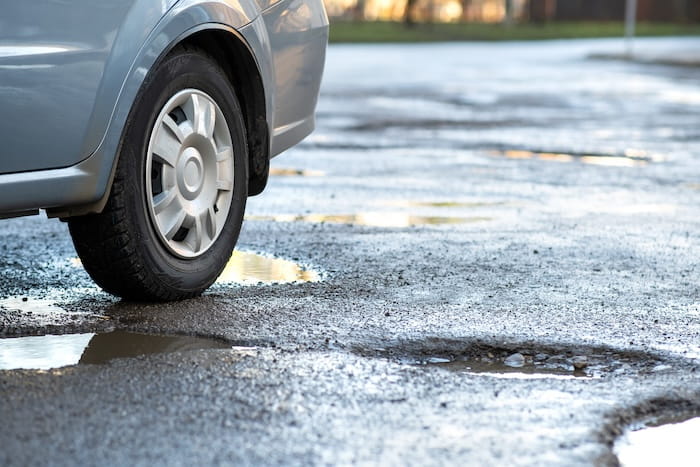
Asphalt Driveway Life Expectancy
In Canada, a professionally installed asphalt driveway typically has a life expectancy of 10 to 20 years. However, this lifespan is heavily dependent on the quality of the base preparation, the contractor and the climate.
In regions like Montreal or Ottawa, where winter temperatures fluctuate wildly, you may see surface deterioration closer to the 5-10 year mark, especially if maintenance is neglected.
Asphalt Driveway Maintenance
To reach the two-decade milestone, a strict asphalt driveway maintenance schedule is required. One that is RARELY done by homeowners…
- Annual Inspections: Check for small cracks every spring. Water entering these cracks and freezing is the primary cause of “potholing.”
- Crack Filling: Seal any cracks larger than a quarter-inch immediately to prevent water from reaching the gravel base.
- Sealcoating: Apply a protective sealer every 2 to 3 years. This prevents oxidation from the sun and protects the surface from oil and gas spills.
- Regular Cleaning: Sweeping away debris and power washing annually helps prevent organic matter from taking root in small crevices.
Permeable Paving: The Modern Alternative
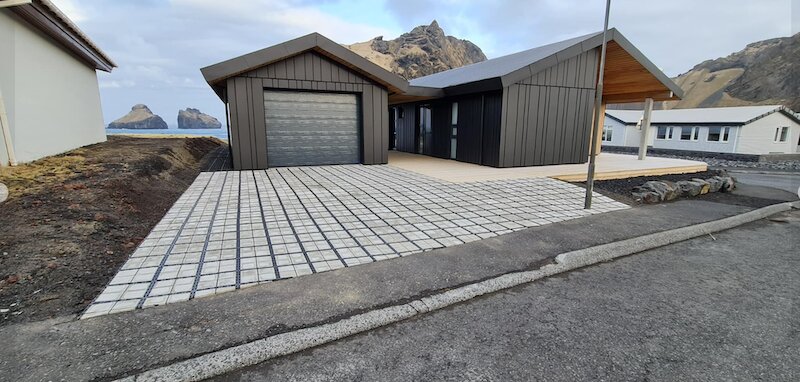
Permeable paving systems–including interlocking pavers, porous asphalt, and plastic grass/gravel grids–are designed to let water flow through the surface rather than off it. This is a game-changer for stormwater management and local groundwater recharge.
The Benefits of a Permeable Driveway
- Reduced Ice Buildup: Because water drains directly into the ground, “black ice” from melting snow and refreezing puddles is significantly reduced. Clients using plastic gravel/grass grids, such as Ecoraster, report using on average 90% less winter salt than they would with solid surfaces.
- Extreme Longevity: High-quality, permeable, interlocking pavers can last 30 to 50 years, often twice as long as standard asphalt.
- Eco-Friendly: These systems help prevent urban flooding and reduce the “heat island effect” in cities like Toronto or Vancouver.
Long-Term Paving Costs: Which is the Real Winner?
While asphalt will be the less expensive choice for homeowners and their driveways initially, the long-term paving costs tell a different story.
- Maintenance Costs: Over 20 years, an asphalt owner will pay for 6-8 sealcoating applications and multiple crack-filling sessions, totalling roughly $2,000 to $3,500 in upkeep.
- Replacement Frequency: By the time an asphalt driveway needs a full replacement at year 15-20, a permeable paver system is often only halfway through its useful life.
- Property Value: Many modern homebuyers in Canada prioritize sustainable features. Permeable systems can offer a higher return on investment (ROI) by eliminating drainage issues and enhancing curb appeal.
- Municipal Funding: Many municipalities are now offering stormwater tax credits or grants to encourage people to adopt permeable paving alternatives. Keeping stormwater on site “where it lands” benefits the municipality as well by protecting their aging drainage infrastructure from overtaxing water volumes from our increasingly powerful rain events.
Which Should You Choose?
Choose Asphalt If
You need the cheapest driveway option right now and are comfortable with a 10-15 year lifecycle and biannual maintenance. It remains the most cost-effective solution for large surfaces or tight budgets.
Choose Permeable Paving If
You want a “set it and forget it” solution with superior drainage and a lifespan of 30+ years. It’s the better choice for properties prone to flooding or for homeowners looking to invest in long-term property value.
Many permeable surfaces are considered to be “soft scape” by many municipalities and can be used to extend existing driveways areas when conventional solid surfaces are disallowed.
Permeable paving products such as plastic gravel/grass grids are also sustainable and can be used as a way to increase the “green” component in one’s home, going the extra step to ensure the world is left a better place for generations to come.
When you look beyond the upfront price, permeable paving stands out as a smarter long-term investment for many Canadian homeowners. With better drainage, less ice buildup, lower maintenance demands, and a longer lifespan, it offers practical benefits that go well beyond curb appeal.
If you’re considering a permeable driveway for your property, let us help! Contact LID Paving to get expert guidance and professional installation support tailored to your project.