Want a Bigger Driveway Without the Permit Headache? Let’s Talk “Softscape”
How Can You Make Your Driveway Bigger Without Breaking Local Zoning Rules?
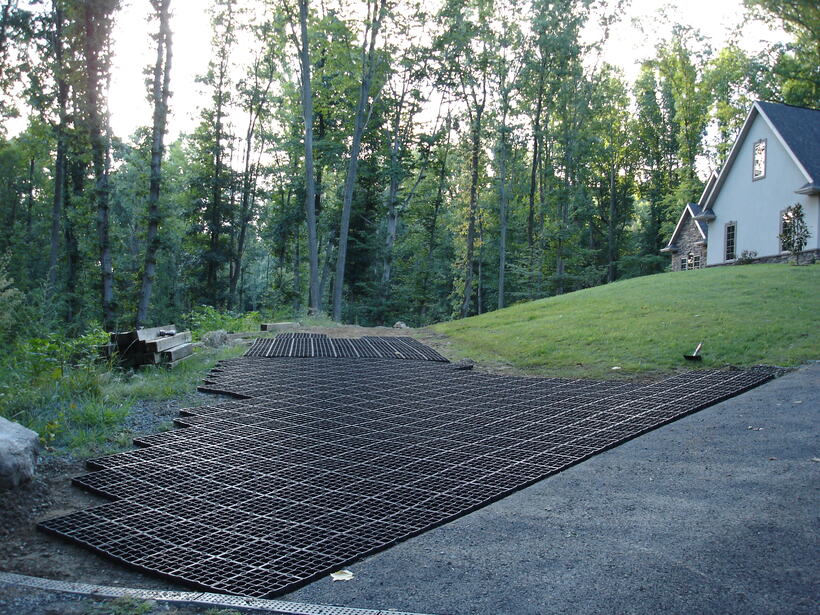
I am frequently asked, “Ellise, we have two cars and only one parking spot. Do you have any solutions?” Another common frustration comes from homeowners with a long, single-width driveway who are tired of jockeying cars twice a day.
Reaching the limit for hard surfaces such as asphalt and concrete does not necessarily mean you have run out of options. A permeable driveway in Canada may be treated differently under local zoning, permeability, or stormwater rules, creating new possibilities for additional parking.
The Short Answer: “How Can You Make a Driveway Bigger Without a Permit?”
I hear this all the time! Most people think they’re stuck because zoning rules limit how much hard surface they can have on their lot. Permeable paving can open up another option. Depending on your municipality and the proposed design, Ecoraster Bloxx may help you create the additional parking space you need while still meeting local requirements.
There is no universal permit or zoning exemption for permeable paving. However, some municipalities distinguish between conventional hard surfaces and surfaces that allow water to infiltrate the ground. The first step is finding out how your municipality classifies the proposed extension.
Why Do Municipalities Limit the Size of Driveways?
When the zoning office says your driveway has reached its limit, the restriction can feel arbitrary, especially when you have enough room on the property for another vehicle. However, these limits are usually connected to stormwater management.
To better manage stormwater and our ever-changing climate patterns, municipalities have placed restrictions on the amount of hard surface permitted on residential and commercial properties. Minimizing hard, solid areas such as asphalt and concrete driveways helps keep stormwater on-site, “where it lands,” rather than sending it into sewers and drains that may already be overtaxed.
The problem with conventional paving is that water cannot pass through it. Rain and melting snow run across the surface, leave the property, and add to the volume entering municipal drainage systems.
Using permeable alternatives in place of solid paving options such as asphalt and concrete reduces the amount of stormwater runoff flowing away from the area. That is why the material used for a driveway extension can matter just as much as its size.
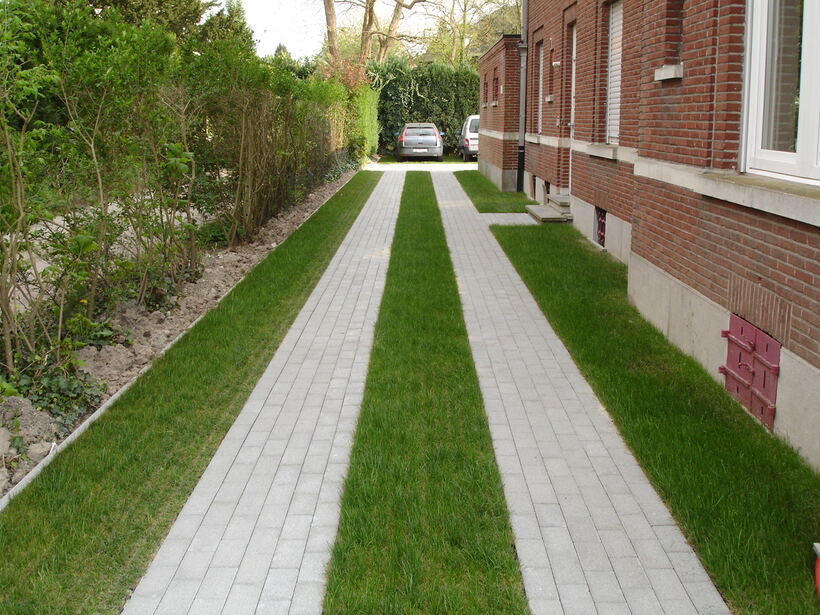
What Does “Softscape” Mean for a Driveway Extension?
Softscape generally refers to landscaped areas that allow water to soak into the ground, such as lawns, gardens, and other planted areas. However, the exact zoning definition varies between municipalities. Some define softscape narrowly as planted material, while others also account for how much of a property remains permeable when reviewing a proposed driveway extension.
This is where we like to think outside the box. By working with products such as Ecoraster, we are able to develop innovative solutions to many paving problems, including driveway extensions when the permitted limit of hardscape has already been reached. Ecoraster permeable paving offers a practical solution for both driveways and driveway extensions.
Permeable paving systems such as Ecoraster and Ecoraster Bloxx are considered softscape by many municipalities because of their ability to rapidly infiltrate water, at rates close to 3,000 inches per hour when installed over a properly prepared, free-draining base.
While not every municipality literally classifies permeable paving as softscape, Ecoraster and Ecoraster Bloxx may still help a proposed extension meet local requirements for permeability, landscaped area, or stormwater management.
How Do Driveway Expansion Rules Differ Across Canada?
There is no Canada-wide permeable paving zoning exemption. If you are trying to determine how to make a driveway bigger without a permit, the answer depends on your property, the proposed extension, and the rules in your municipality.
What Do Toronto’s Driveway Zoning Rules Say?
Driveway expansion rules in Ontario are set locally, and Toronto is a good example of why the details matter. The City says a building permit is not required simply to widen a driveway on private property, but zoning regulations and site plan controls may still restrict its width and location. A street work permit is also required if the project alters a driveway crossing on City property, such as a curb, sidewalk, or boulevard.
Permeable paving does not automatically cause a Toronto driveway to be classified as soft landscaping. Homeowners should check their property’s zoning before assuming the material creates an exemption. (City of Toronto)
What Do Vancouver’s Driveway Rules Say?
Vancouver encourages permeable paving in some zoning district guidelines because it can reduce the load placed on stormwater sewers. However, some current guidelines still count parking areas made with permeable pavers as impermeable surfaces for site calculations.
This means Vancouver driveway permit rules and the treatment of permeable paving can depend on the property’s zoning district and the proposed design. (City of Vancouver)
What Do Calgary’s Driveway Rules Say?
Calgary states that building a new driveway or extending or widening an existing one may require a development permit. Replacing an existing driveway generally does not. The City also recognizes permeable surfaces as part of low-impact development, but choosing a permeable material does not automatically remove the need for approval. (City of Calgary)
This is why I always recommend checking with the municipality before finalizing a driveway extension. A permeable design may create more options, but it still needs to fit the rules that apply to your property.
What Permeable Surfaces Can Be Used for a Driveway Extension?
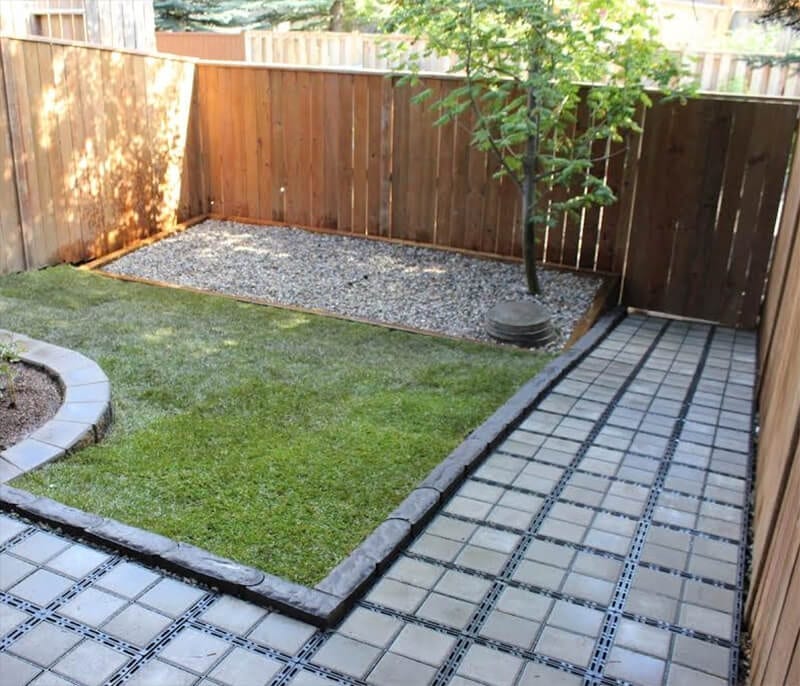
Permeable options often used for driveway extensions include plastic pavers filled with grass or gravel, Ecoraster Bloxx, unit pavers with large interconnected joints, and poured-in-place permeable surfaces available in rubber or aggregate.
Each creates a different look. A grass- or gravel-filled grid can help an occasional parking space blend into the surrounding yard. Ecoraster Bloxx provides the appearance and feel of a finished paver surface, with permeable joints that allow water to drain into the base below.
There is no single option that will suit every home. I recommend choosing the permeable surface based on your design and budgetary needs, as well as how frequently the additional parking space will be used. The goal is to create an extension that looks intentional and remains practical for everyday parking.
Does Permeable Paving Freeze?
Any outdoor surface can freeze under the right conditions. The difference is that properly installed permeable paving gives rain and melting snow somewhere to go, rather than allowing water to pool on the surface and wait for the next freeze.
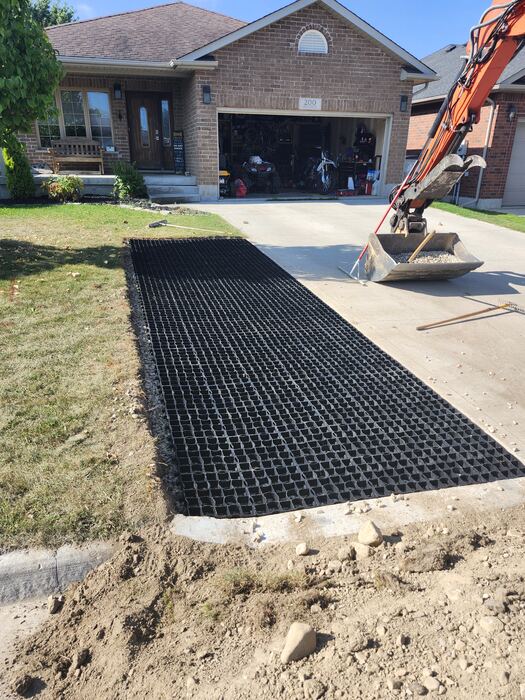
The grids are designed to withstand Canadian winters and all that entails, from rapid temperature fluctuations and the melt-freeze cycle that leads to copious use of salt to regular snow plowing. Ecoraster and Ecoraster Bloxx can handle it all with grace.
The interlocking grid helps the surface remain stable through seasonal ground movement while still allowing water to drain into the prepared base. Snow can be cleared with a shovel, snow blower, or properly equipped plow.
After all, a driveway extension is not much help if it can only be used in fair weather. With the right design and installation, Bloxx can provide practical additional parking throughout the year.
Can Permeable Paving Qualify for Credits or Incentives?
In addition to municipal restrictions on the size of hardscape areas and driveways, some municipalities offer tax credits, utility-fee reductions, or other incentives for properties that include permeable surfaces. This can be an added benefit for homeowners choosing greener parking options.
The programs vary considerably. For example, the City of Kitchener allows qualifying property owners who reduce stormwater runoff to receive a credit of up to 45% on their monthly stormwater utility fee. A permeable driveway extension will not automatically qualify, but it is worth checking for available programs before finalizing the design. (City of Kitchener)
What Are the Next Steps for Expanding Your Driveway?
The key next steps in using permeable paving for your driveway are straightforward:
- Check with your local municipality about its guidelines and rules.
- Choose a permeable surface based on your design, budget, and parking needs.
- Confirm any required approvals before installation begins.
- Enjoy your new driveway for years to come.
Could Bloxx Help You Create the Driveway You Need?
Once you have confirmed your local rules, it may be easier than you think to “go permeable.” Ecoraster Bloxx can turn an approved driveway extension into practical, year-round parking while helping keep stormwater on your property, where it lands.
If you are planning a permeable driveway in Canada, talk to Ecoraster about your property and whether Bloxx fits your design. Permeable paving is a practical choice for your home today and one that can positively impact generations to come.